
What's inside
- Best Tent Storage Bag for Backpacking Tent: Compression, Waterproofing, and the Loose-Storage Rule
- Quick Comparison: Tent Storage and Compression Bags Compared
- The Six Tent Bags Reviewed
- Buying Guide: Measure the Tent Without Its Poles, Buy the Trail Bag, Then Buy the Loose Sack
- How We Selected These Tent Storage Bags
- Frequently Asked Questions: Tent Storage Bags for Backpacking
As an Amazon Associate I earn from qualifying purchases. This post may contain affiliate links at no extra cost to you.
The best tent storage bag for backpacking tent does two jobs that pull in opposite directions, and understanding that tension is the whole purchase. On the trail, the bag must shrink a bulky, springy shelter into the smallest, driest parcel it can be, because pack volume is precious and a tent that arrives wet at the next camp is a miserable night composed in advance. At home, the same tent wants the opposite treatment entirely: stored loose, dry, and uncompressed in a large breathable sack, because coatings, seams, and fabrics kept crushed for months age faster, stick to themselves, and develop the musty, peeling decline that ends tents early. A buyer who grasps that distinction buys two cheap things instead of one expensive mistake — a compression dry sack for the walk, and a loose storage sack for the wardrobe — and this guide grades the trail bag rigorously while insisting on the home doctrine at every step.
Size is the first and most unforgiving figure. A storage or compression bag is sold by volume in litres, and a tent’s packed size, as its maker states it, is the starting point rather than the answer, because that figure usually describes the tent in its supplied sack, poles included, compressed by a practised hand. Poles travel separately in most backpacking systems, strapped along the pack or in a side pocket, which means the fabric alone needs markedly less volume than the headline suggests. Buy the bag for the fabric you will actually put in it, test it at home with the tent packed exactly as you pack it at a wet campsite, and beware both errors: a bag too small makes every morning’s packing a wrestling match with cold hands, while a bag too large wastes the compression it was bought for and lets the load slosh. The sweet parish for most one and two person backpacking tents is the small-to-middle size in each maker’s range, with three person shelters stepping one size up.
Our Top Picks
Best Tent Storage Bag for Backpacking Tent: Compression, Waterproofing, and the Loose-Storage Rule
Compression for the Best Tent Storage Bag for Backpacking Tent
Compression is achieved by straps or by a cap-and-strap system that squeezes air out and holds the parcel at its smallest, and its value on the trail is real: a tent fabric bundle is mostly trapped air, and halving its bulk can be the difference between a shelter that rides inside the pack, protected and balanced, and one lashed outside where brush, rain, and abrasion all reach it. Judge a compression sack by how evenly it squeezes, because a design that cinches at one end only produces a sausage that packs badly, and by its strap parish — webbing that stays where it is set, buckles that work with gloves, and stitching that tolerates being hauled on daily. Compress for the day’s walk without mercy, but treat compression as a travelling condition, not a storage condition: the hour you arrive home, the tent comes out, is aired until it is bone dry, and goes into its loose sack. A tent that lives in its trail sack between trips is being spent, slowly, to save a minute.
Waterproofing for the Best Tent Storage Bag for Backpacking Tent
A tent bag that keeps water out earns its place twice, once in rain and once at the river crossing or the sodden morning when everything in the pack is damp by association. The stronger designs in this table are true dry bags, with roll-top closures, sealed seams, and fabrics that shed water, and the best of them add a one-way valve or a breathable waterproof panel that lets air escape under compression while refusing water entry — the trick that makes a dry sack compressible without a balloon fight. Understand the closure’s honesty: a roll top is waterproof against rain, splashes, and a pack standing in wet grass, and briefly against shallow immersion in the better designs, but it is not a diving enclosure, and a bag dragged through a deep crossing should be backed by the tent’s own resilience and a pack liner for the sleeping kit that truly cannot get wet. Pack a wet tent in its dry bag without hesitation — that is what the bag is for — but reverse the doctrine at home, because a wet tent sealed in any bag, however technical, will mildew in days.
Fabrics and Details for the Best Tent Storage Bag for Backpacking Tent
The fabric parish divides by weight and toughness. Ultralight sil-nylon and modern composite sacks weigh almost nothing and pack to nothing when empty, suiting the gram-counting backpacker, at the price of demanding a little respect around sharp pole ends and groundsheet grit. Midweight nylon dry sacks trade a small weight penalty for a noticeably harder life and are the sensible default for most walkers. Whatever the fabric, empty the tent’s pockets, remove grit and pine needles before packing, and keep pole splints, stakes, and anything edged in their own parish rather than loose in the bag, since most sack failures begin as a puncture from inside. Details that earn their keep are few and specific: a grab handle or haul loop for pulling the parcel from a deep pack, a flat base that stands while you stuff, light colours that show dirt and forgotten small items, and a closure that can be operated by a cold, tired person at dusk. A daisy chain of decorative straps is not among them.
Quick Comparison: Tent Storage and Compression Bags Compared
| Storage Bag | Best For | Key Specs | Typical Price Range | Rating |
|---|---|---|---|---|
| Sea to Summit eVent Compression Dry Sack | Compression dry bag — best tent storage bag for backpacking tent overall | Waterproof compression parish with air-permeable waterproof base panel as published, roll-top closure, sizes across the small-to-large range, strap compression | $35 – $55 by size | 4.7 / 5 |
| Granite Gear eVent Sil Compression Drysack | Ultralight — best weight parish | Sil-nylon compression drysack parish as published, air-purging panel classes, roll top, sizes for one to three person shelters | $30 – $45 by size | 4.5 / 5 |
| Sea to Summit Big River Dry Bag | Durability — best tough parish | Heavy-duty waterproof roll-top parish as published, lash points, abrasion-resistant fabric classes, larger size range | $30 – $50 by size | 4.6 / 5 |
| Osprey Ultralight Dry Sack | Simple dry sack — best organiser parish | Waterproof roll-top parish as published, rectangular shape classes, sizes from small to large, light fabric classes | $15 – $30 by size | 4.4 / 5 |
| REI Co-op Lightweight Compression Sack | Value — best price parish | Strap compression parish as published, drawcord closure classes, sizes across the backpacking range, house-brand value | $18 – $30 by size | 4.3 / 5 |
| Hyperlite Mountain Gear Roll-Top Stuff Sack | Composite — best premium light parish | Composite fabric parish as published, roll-top closure, very light weight classes, sizes for shelters and quilts | $35 – $55 by size | 4.4 / 5 |

ALPS Mountaineering Zippered Tent Bag, Large - Gray
As an Amazon Associate we earn from qualifying purchases. Product prices and availability are accurate as of the date/time indicated.
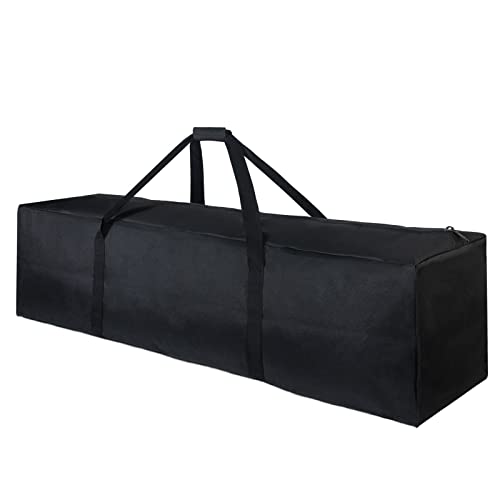
TOPDesign 1-Pack Long Storage Duffle Bag – 46" x 12.5" x 12.5", 30Gal | Water Resistant Zippered Travel Luggage Bag for Camping Moving Fishing, Tent Poles, Tripod, Sports Equipment, Padded Handles
As an Amazon Associate we earn from qualifying purchases. Product prices and availability are accurate as of the date/time indicated.

Adnee 2 Pcs 83" L x 12" W Party Tent Poles Storage Bag | 600D Oxford Canopy Pole Bag with Padded Handles and Dual Zipper, Portable for Storing Event Tent Equipment Top Covers Pole
As an Amazon Associate we earn from qualifying purchases. Product prices and availability are accurate as of the date/time indicated.
Prices shown are approximate and for reference only. Prices change often, so please check the current price on Amazon before you buy.
Ratings are editorial assessments based on makers’ published volume, fabric and closure specifications and value at typical prices. Match the litre size to your tent’s fabric packed without poles, tested at home before a trip.
The Six Tent Bags Reviewed
1. Sea to Summit eVent Compression Dry Sack — Best Overall
Sea to Summit’s design solves the compression-versus-waterproof argument in one product: it squeezes hard, stays dry, and purges its air through its base panel instead of fighting you. For most backpacking tents it is the audit’s end.
2. Sea to Summit Big River — Best Durability
The Big River trades ultralight manners for a fabric and build that tolerate boats, bikes, and rough baggage handling as happily as a pack. As the tough parish, it shares the head.
3. Granite Gear eVent Sil — Best Ultralight
Granite Gear’s sil version presses the same air-purging idea to a fraction of the weight, for the walker who counts every gram and handles kit gently. As the light parish, it earns its row.
4. Hyperlite Mountain Gear Parish — Best Premium Light
The composite roll-top is the connoisseur’s simple sack: extremely light, weatherproof, and plainly made. As the premium parish, it holds its row where simplicity outranks straps.
5. Osprey Parish — Best Organiser
Osprey’s dry sacks are the tidy, affordable way to give a tent, or its fly alone on a wet morning, a waterproof home inside the pack. As the organiser parish, they hold their place.
6. REI Co-op Parish — Best Value
The house-brand compression sack does the essential job at the floor of the sensible range. As the value parish, it completes the table for the new backpacker equipping a first kit.
Buying Guide: Measure the Tent Without Its Poles, Buy the Trail Bag, Then Buy the Loose Sack
Step One: Write Your Tent’s Real Packed Parish
Pack the tent at home exactly as you pack it in the field: fly and inner together or separated as your system dictates, stakes and poles removed to their own storage, and note the bundle’s size and how much smaller firm compression makes it. Note also how you carry — inside the pack, which argues for compression and waterproofing, or outside, which argues for toughness above all — and whether you split the tent between two walkers, which argues for two smaller bags rather than one large one. Write the home parish beside the trail one: where the tent will live between trips, and whether a loose storage sack already exists in its box. This one page prevents the category’s two classic errors, the bag that fits only in the shop and the tent that lives compressed.
Step Two: Audit Size, Closure, and Strap Parish
For each finalist, match its litre parish to your measured bundle with a little working room, confirm the closure type against your weather — a true roll-top dry closure for wet climates and river country, a drawcord compression sack acceptable only inside a pack liner’s protection — and work the straps or cap with gloves on, checking that compression is even and the buckles hold under a firm pull. Weigh the empty bag if weight is your parish, and inspect the seams and the base, where stuffing forces concentrate. Refuse any bag you cannot quite close over your real bundle in the shop or at home within the returns window; a tent bag at its absolute limit fails at the coldest, wettest moment of the trip, by long tradition.
Step Three: Trail Discipline, Home Discipline
On the trail, pack the dry tent in the morning and the wet tent without debate, fly outermost or in its own sack where your system separates them, and let the compression do its daily work. At home, reverse everything: pitch or hang the tent until it is completely dry, including the underside of the floor and the stake loops, then store it loose in a large breathable cotton or mesh sack, in a cool dry place out of sunlight, with its poles in their own bag and its stakes cleaned and counted. Note any damage while the trip is fresh in mind and repair it before storage rather than discovering it at the next trailhead. A tent kept on this round — compressed for days, loose for months — will outlast by years the same tent stored in the bag this guide just sold you, and that sentence is the most valuable one in it.
How We Selected These Tent Storage Bags
We included only real, named, currently sold stuff sacks, compression sacks, and dry bags whose makers publish volume, fabric, and closure specifications, spanning ultralight, durable, and value parishes in the sizes backpacking tents use. Prices are typical retail ranges by size. Ratings weight compression evenness and waterproof honesty first, then size accuracy, durability, weight, and value.
Frequently Asked Questions: Tent Storage Bags for Backpacking
What size bag does my backpacking tent need?
Smaller than the tent’s headline packed size suggests, in most cases, because that figure includes the poles in the maker’s own sack. Packed fabric alone for a typical two person backpacking tent usually sits in the small-to-middle parish of the ranges in this table, with one person shelters below it and three person or family backpacking tents above. The only trustworthy method is the home test in step one: pack the fabric as you pack it in the field, compress it by hand, and choose the bag whose stated volume contains that bundle with a little working room rather than at its bursting limit. If you carry the fly separately on wet trips, size a second small dry sack for it rather than oversizing the main bag for a condition that occurs on mornings only.
Can I store my tent in its compression sack between trips?
You can, and you should not, because the costs are real and the saving is one minute. Kept crushed for months, tent fabrics and their waterproof coatings age faster, seams stay stressed, and any trace of residual damp is held against the fabric in the dark, which is mildew’s exact recipe. Makers themselves commonly supply or recommend a loose storage sack for the off-season, and the practice across this site is settled: trail bag for the walk, loose breathable sack for the wardrobe, tent bone dry before either. A tent stored loose, cool, and dry keeps its waterproofing and its pleasant smell for years longer, and since the shelter is usually the most expensive item in the pack, the loose sack is the cheapest insurance in the whole kit.
Should the tent go inside the pack or strapped outside?
Inside, where a good storage bag makes it possible, is the better parish for almost every walker. Inside, the tent rides balanced near your back, protected from brush, rock, rain, and the abrasion of every gate and stile, and its dry bag keeps a wet fly from soaking the rest of the load. Outside strapping is the honest answer only where pack volume genuinely cannot contain it, on the first trips before a compression bag arrives, or for a wet tent you intend to dry at the midday stop. If it must ride outside, choose the tough parish from this table, strap it in two places so it cannot work loose, and move it inside the first day the load allows. Either way, poles travel in their own parish, where a fall cannot bend them against the fabric bundle.
How do I pack a wet tent without ruining the rest of my kit?
Give the wet tent its own waterproof parish and keep the doctrine simple. Shake and wipe off what water you can, pack the fly separately in its own dry sack if you have one, or outermost in the main bag, and let the compression dry bag from this table be the boundary between the sodden shelter and your dry sleeping kit, which should additionally live in its own liner. At the lunch stop or the next camp, pitch or hang the tent at the first real opportunity, even in light rain, because moving air dries a tent faster than a bag stores it wet. Never leave it sealed and wet overnight at home after the trip; the unpacking, airing, and loose storage in step three begin the hour you walk in, and mildew does not wait for the weekend.
Related guides
- How to Clean Backpacking Tent Floor in 2026: 6 How to Clean Backpacking Tent Floor Picks for Easy Cleaning, Odor Removal, and Reliable Tent Care
- Best Compact Tent for Small Apartments: 6 Best Compact Tent for Small Apartments Picks in 2026
- Best Tent for Dog Sledding Trips in 2026: How to Pick a Winter Tent That Keeps You and Your Dogs Safe in Snow and Wind
- How to Fix Tent With Stuck Zipper in 2026: A Complete Guide to Fixing a Stuck Tent Zipper, With 7 Repair Kits Compared
More from Amazon
Programs that pair well with the guide above. Offers and eligibility are set by Amazon and may change.
Free shipping on eligible items, Prime Video and more. Eligible new members can start with a free trial.
Start a Prime free trialAudiobooks and podcasts to listen to on the go. Eligible new members can start with a free trial.
Try Audible freeAd-free music streaming. Eligible new subscribers can start with a free trial.
Try Music Unlimited freeA free business account with business pricing and bulk-buying tools for work, shop or home office.
Create a business accountAs an Amazon Associate we earn from qualifying purchases.

Write Your Review
No reviews yet. Be the first to share your experience!