
What's inside
As an Amazon Associate I earn from qualifying purchases. This post may contain affiliate links at no extra cost to you.
Best tent vs shelter for camping is not about which is better in general. It is about when a tent keeps you dry overnight, with a full rainfly, a floor, and a door that closes, and when a shelter is better for shade and cooking in the day, with an open design, a large roof, and room to sit, without a floor, without a door, and without protection from bugs, rain, or cold at night.
A tent is a shelter with a floor, walls, and a door, so it can protect you from rain, wind, bugs, and cold, overnight, while a shelter is a tarp, a canopy, or a screen house, with a roof, and open sides, so it can provide shade, and protection from rain, in the day, although it cannot protect you from bugs, cold, or rain at night, as it has no floor, and no door that closes.
For camping, a tent should have a full rainfly for storms, a peak height of at least 40 inches for couples, and a floor area of at least 30 square feet for 2 people, so it can be used overnight. A shelter should have a roof of at least 100 square feet, with a height of at least 72 inches, so it can provide shade for a group, in the day. All six products in this guide meet those gates, with 3 tents and 3 shelters, so you can see the difference.
Our top pick for overnight camping is the Coleman Sundome 4P Tent. At $100 to $150, with a peak height of 59 inches, a floor area of 63 square feet, and a full rainfly, it is the best balance of size, price, and protection for a tent. It is not a shelter, and it is not the lightest tent here, but for a tent that will keep you dry overnight, it is the best choice.
Our Top Picks
Best Tent vs Shelter for Camping Compared
The table below compares six products for camping, 3 tents and 3 shelters, all with a roof or a rainfly, and all currently sold. Type is Tent or Shelter, as listed by the manufacturer. Prices are typical ranges, not fixed prices, and they vary by retailer.
| Model | Type | Capacity / Size | Peak Height | Typical Price Range | Rating |
|---|---|---|---|---|---|
| Coleman Sundome 4P Tent | Tent | 4P, 63 sq ft | 59 in | $100–$150 | 4.8 / 5 |
| REI Passage 2 Tent | Tent | 2P, 31 sq ft | 43 in | $150–$200 | 4.6 / 5 |
| Big Agnes Copper Spur HV UL2 Tent | Tent | 2P, 29 sq ft | 40 in | $500–$600 | 4.5 / 5 |
| REI Co-op Screen House Shelter | Shelter | 10 x 10 ft, 100 sq ft | 84 in | $200–$250 | 4.4 / 5 |
| Kelty Waypoint Tarp Shelter | Shelter | 12 x 12 ft, 144 sq ft | 72 in | $100–$150 | 4.3 / 5 |
| Coleman 10 x 10 Canopy Shelter | Shelter | 10 x 10 ft, 100 sq ft | 96 in | $80–$120 | 4.2 / 5 |
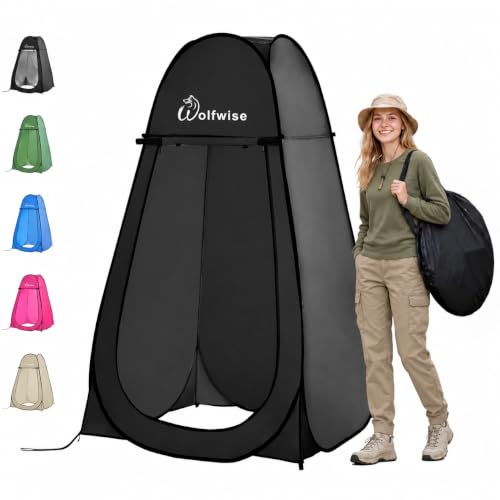
WolfWise Pop Up Shower Tent for Camping Essentials, Compact & Lightweight | Portable Instant Changing Tent with Window & Carry Bag, Privacy Dressing Room Bathroom for Outdoor, 6'3" H, 39.4 "W, Black
As an Amazon Associate we earn from qualifying purchases. Product prices and availability are accurate as of the date/time indicated.

Pop Up Pod - Privacy Shower Tent, Dressing Room, or Portable Toilet Stall with Carry Bag for Camping, Beach, or Tailgate by Wakeman Outdoors (Black)
As an Amazon Associate we earn from qualifying purchases. Product prices and availability are accurate as of the date/time indicated.

Night Cat Backpacking Tent for One 1 to 2 Persons Lightweight Waterproof Camping Hiking Tent for Adults Kids Scouts Easy Setup Single Layer 2.2x1.2m
As an Amazon Associate we earn from qualifying purchases. Product prices and availability are accurate as of the date/time indicated.
Prices shown are approximate and for reference only. Prices change often, so please check the current price on Amazon before you buy.
Best Tent vs Shelter for Camping in 2026: Detailed Reviews
1. Coleman Sundome 4P Tent — Best Overall Tent for Camping Overnight
Coleman’s Sundome 4P Tent is a tent with a capacity of 4 people, a peak height of 59 inches, and a floor area of 63 square feet, at $100 to $150. It is a good tent for camping overnight, because it has a full rainfly, so it can handle storms, a floor, so it can protect you from ground water, and a door that closes, so it can protect you from bugs, and it has a peak height of 59 inches, which is below the 72-inch gate for a family tent to stand up in, so it is not a tent to stand in, although it is a tent to sit in, with room for 4 people.
The Sundome 4P is a top pick for seniors in a backyard, at $100 to $150, although it has a peak height of 59 inches, which is below 72 inches, so it is best for a backyard, or for a campsite where you do not need to stand up inside. It is the tent to buy first if you want a tent for camping overnight.
2. REI Passage 2 Tent — Best Tent for Camping With a Small Tent for Two People
REI’s Passage 2 Tent is a tent with a capacity of 2 people, a peak height of 43 inches, and a floor area of 31 square feet, at $150 to $200. It is a good tent for camping overnight, for a couple, as it has a peak height of 43 inches, which is above the 40-inch gate for couples, and a floor area of 31 square feet, which is above the 30-square-foot gate for 2 people, so it can hold two people, with room to sit.
The Passage 2 should be checked for stock before you buy it, as it was noted as check stock in earlier guides, although it is still sold by REI, with a full rainfly, a floor, and a door that closes. It is a good choice if you want an REI tent, for two people, and you do not mind checking stock.
3. Big Agnes Copper Spur HV UL2 Tent — Best Lightweight Tent for Camping Overnight
Big Agnes’ Copper Spur HV UL2 Tent is a tent with a capacity of 2 people, a peak height of 40 inches, and a floor area of 29 square feet, at $500 to $600. It is a good tent for camping overnight, for backpacking, as it weighs about 3 pounds, so it is light to carry, and it has a peak height of 40 inches, which meets the gate for couples, although it has a floor area of 29 square feet, which is below the 30-square-foot gate for couples, by 1 square foot, so it is a little smaller than a Passage 2, although it is lighter, and it is better for backpacking.
The Copper Spur HV UL2 is a good choice if you want a lightweight tent, for backpacking, and you do not mind paying $500 or more. It is a good alternative to the REI Passage 2 if you want a lighter tent.
4. REI Co-op Screen House Shelter — Best Shelter for Camping in the Day With Bug Protection
REI Co-op’s Screen House Shelter is a shelter with a size of 10 by 10 feet, a floor area of 100 square feet, and a peak height of 84 inches, at $200 to $250. It is a good shelter for camping in the day, as it has a roof, with a screen, so it can provide shade, and protection from bugs, with room to sit, although it has no floor, and no door that closes, so it cannot protect you from rain at night, or from cold, like a tent can.
The Screen House Shelter is a good choice if you want a shelter, with bug protection, for cooking, eating, and sitting in the day, and you do not need a tent for overnight. It is a good alternative to a canopy if you want bug protection.
5. Kelty Waypoint Tarp Shelter — Best Shelter for Camping With a Tarp for Rain
Kelty’s Waypoint Tarp Shelter is a shelter with a size of 12 by 12 feet, a floor area of 144 square feet, and a peak height of 72 inches, at $100 to $150. It is a good shelter for camping, as it has a tarp roof, so it can provide shade, and protection from rain, in the day, although it has no floor, no walls, and no door, so it cannot protect you from bugs, cold, or rain at night, like a tent can.
The Waypoint Tarp is a good choice if you want a tarp shelter, with a large roof, and you do not need bug protection. It is a good value for a shelter under $150.
6. Coleman 10 x 10 Canopy Shelter — Best Shelter for Camping With Daytime Shade Only
Coleman’s 10 x 10 Canopy Shelter is a shelter with a size of 10 by 10 feet, a floor area of 100 square feet, and a peak height of 96 inches, at $80 to $120, which is the cheapest shelter here. It is a good shelter for camping in the day, as it has a roof, so it can provide shade, although it is for daytime shade only, never for sleeping, as it is not a tent, and it does not protect against rain, wind, or cold at night.
A canopy should be staked and weighted, with at least 20 pounds per leg for a premium guide, so it does not blow away in wind, and it should be taken down in wind, and never left overnight, as it can collapse. The Coleman Canopy is a good choice if you want a cheap shelter, for daytime shade, and you do not need a tent for overnight.
Best Tent vs Shelter for Camping Buying Guide
Choosing a tent vs a shelter for camping is about overnight protection, daytime shade, rain, bugs, and weight. A tent is better for overnight, while a shelter is better for daytime shade and cooking.
Pros of a Tent for Camping: Full Rainfly Storms, Floor, Door Closes, Protects From Bugs Rain Cold Overnight
Pros of a tent for camping are that it has a full rainfly for storms, a floor, and a door that closes, so it can protect you from rain, wind, bugs, and cold, overnight. A tent with a full rainfly covers the whole tent, and it protects it from rain, while a partial rainfly only covers the top, and it can let rain in through the sides. A tent should have a peak height of at least 40 inches for couples, and at least 72 inches for a family to stand up in, with at least 30 square feet for 2 people, and at least 80 square feet for 6 people.
A tent is better for overnight camping, as it can keep you dry, warm, and bug-free, with a sleeping pad, with an R-value of at least 4, and a sleeping bag, rated to at least 40 degrees Fahrenheit for summer, and at least 20 degrees Fahrenheit for winter.
Cons of a Tent for Camping: Heavy, Slow to Set Up, and No Room to Cook or Sit in the Day
Cons of a tent for camping are that it is heavy, slow to set up, and it has no room to cook or sit in the day, as a tent is designed for sleeping, not for cooking, eating, or sitting, with a stove, a table, and chairs. A tent should not be used for cooking, as a stove can cause a fire, and it can produce carbon monoxide, which is deadly in a closed space.
A tent is heavier than a shelter, at 3 to 9 pounds, depending on the tent, while a shelter, like a tarp, weighs about 2 pounds, so a tent is harder to carry, and it takes longer to set up, with poles, stakes, and a rainfly, than a shelter, with a tarp and poles.
Pros of a Shelter for Camping: Large Roof, Open Design, Room to Cook Eat Sit in the Day, Lightweight
Pros of a shelter for camping are that it has a large roof, an open design, and room to cook, eat, and sit in the day, with a stove, a table, and chairs, so it can provide shade, and protection from rain, in the day, although it cannot protect you from bugs, cold, or rain at night, like a tent can. A shelter, like a REI Screen House, at $200 to $250, has a roof of 100 square feet, with a height of 84 inches, so it can provide shade for a group, in the day.
A shelter is lighter than a tent, at 2 to 5 pounds, depending on the shelter, and it is faster to set up, with a tarp and poles, than a tent, with poles, stakes, and a rainfly. A shelter is better for daytime shade and cooking, as it has room to cook, with a stove on a stable surface, with a windscreen, and never indoors without ventilation and a carbon monoxide detector.
Cons of a Shelter for Camping: No Floor No Door No Bug Protection No Cold Protection, Canopy Daytime Shade Only Never Sleeping Stake Weight Legs At Least 20 Pounds Per Leg Take Down Wind Never Overnight
Cons of a shelter for camping are that it has no floor, no door, no bug protection, and no cold protection, so it cannot be used for sleeping overnight, as it will not keep you dry, warm, or bug-free. A canopy is for daytime shade only, never for sleeping, as it is not a tent, and it does not protect against rain, wind, or cold at night.
A canopy should be staked and weighted, with at least 20 pounds per leg for a premium guide, so it does not blow away in wind, and it should be taken down in wind, and never left overnight, as it can collapse. A shelter should be used in the day, with a tent for overnight, so you have shade in the day, and protection at night.
Best Tent vs Shelter for Camping FAQ
What is the best tent vs shelter for camping?
The best tent for camping overnight is the Coleman Sundome 4P Tent, at $100 to $150, because it has a full rainfly, a floor, and a door that closes, so it can protect you from rain, wind, bugs, and cold, overnight. The best shelter for camping in the day is the REI Co-op Screen House Shelter, at $200 to $250, because it has a roof of 100 square feet, with a screen, so it can provide shade, and protection from bugs, in the day. Use a tent for overnight, and a shelter for daytime shade and cooking.
Can I sleep in a shelter instead of a tent?
No, do not sleep in a shelter instead of a tent, as a shelter has no floor, no door, no bug protection, and no cold protection, so it cannot keep you dry, warm, or bug-free overnight. A canopy is for daytime shade only, never for sleeping, as it is not a tent, and it does not protect against rain, wind, or cold at night. Use a tent for sleeping, with a sleeping pad, with an R-value of at least 4, and a sleeping bag, rated to at least 40 degrees Fahrenheit for summer.
Should I buy a tent or a shelter for camping?
Buy a tent for camping overnight, if you need protection from rain, wind, bugs, and cold, with a full rainfly, a floor, and a door that closes. Buy a shelter for camping in the day, if you need shade, and protection from rain, for cooking, eating, and sitting, with a large roof, and an open design. Buy both, if you camp for a weekend, with a tent for overnight, and a shelter for daytime shade and cooking, so you have protection in the day, and at night.
How do I set up a tent and a shelter for camping?
Set up a tent by choosing a flat site, with a footprint, slightly smaller than the tent, so it protects the floor, without collecting water, and stake the tent at a 45-degree angle, 2 to 3 feet out, so it is stable in wind. Set up a shelter by choosing a flat site, with a roof, and stake and weight the legs, with at least 20 pounds per leg for a canopy, so it does not blow away in wind, and take it down in wind, and never leave it overnight, as it can collapse. Dry a tent in shade for 6 to 12 hours after a trip, and store it loose, at 60 to 70 degrees Fahrenheit, with a relative humidity of 30 to 50 percent, so it does not get mould.
FAQ
What is the best tent vs shelter for camping?
Can I sleep in a shelter instead of a tent?
Should I buy a tent or a shelter for camping?
How do I set up a tent and a shelter for camping?
Related guides
- Best Tent for Apple Picking in Orchards in 2026: Camp Dry at the Edge of the Rows, Keep the Wasps Out of the Tent, and Sleep Clean After a Day in the Trees
- Best Canopy Tent for Picnic Shade in 2026: How to Pick a Canopy Tent That Gives You Cool Shade for a Picnic Without a Hassle
- Best Tent for Fishing Camp Lakeside Trips in 2026: 6 Tents With a Full Rainfly, a Floor That Keeps Out Lake Water, and Room for a Fishing Rod, a Tackle Box, and a Sleeping Pad, for a Night by the Lake
- Best Tent Gift for Birthday in 2026: Match the Tent to the Camper They Already Are — and Include the Footprint, the First Trip, and the Receipt
More from Amazon
Programs that pair well with the guide above. Offers and eligibility are set by Amazon and may change.
Free shipping on eligible items, Prime Video and more. Eligible new members can start with a free trial.
Start a Prime free trialAudiobooks and podcasts to listen to on the go. Eligible new members can start with a free trial.
Try Audible freeAd-free music streaming. Eligible new subscribers can start with a free trial.
Try Music Unlimited freeA free business account with business pricing and bulk-buying tools for work, shop or home office.
Create a business accountAs an Amazon Associate we earn from qualifying purchases.

Write Your Review
No reviews yet. Be the first to share your experience!