
What's inside
- Why the Best Tent for Winter Forest Camping Needs a 4-Season Design
- Best Tent for Winter Forest Camping: Strength, Warmth and Ventilation
- Best Tent for Winter Forest Camping Comparison Table
- Top Tents for Winter Forest Camping Reviewed
- How to Choose a Campsite in a Winter Forest
- Winter Forest Camping Safety: Heaters, Stoves and Carbon Monoxide
- Buying Guide: How to Choose the Best Tent for Winter Forest Camping
- How to Pitch a Tent in Snow in a Forest
- Frequently Asked Questions
As an Amazon Associate I earn from qualifying purchases. This post may contain affiliate links at no extra cost to you.
Finding the best tent for winter forest camping is about choosing a tent that is strong enough for snow, warm enough for cold nights, and dry enough for wet forest conditions, with a design that works in a snowy forest, and with a price that fits a camper who wants a reliable winter tent without a large, expensive mountaineering model that is too heavy for a forest campsite. A good tent for winter forest camping should have a strong pole structure, a full-coverage rainfly, and a price that gives you value. It should also be simple to pitch, with a design that is suitable for a camper who is new to winter camping. Always check the tent season rating, floor size, peak height, and weight before buying, and follow all winter camping safety rules.
This guide explains what to look for in the best tent for winter forest camping, how to compare season rating, capacity, floor area, peak height, weight, and price, and which winter tents work well in 2026 for forest camping in snow and cold. We focus on practical use for campers who camp in a winter forest for the first time, with a tent that is used for sleeping in snow, wind, and freezing temperatures under trees, and with a design that is suitable for a beginner to winter camping. Whether you camp in a snowy pine forest, a mixed hardwood forest, or a sheltered valley in winter, the same principles apply: choose a tent that is strong, with a full rainfly, and with a price that fits your needs. Never use a propane heater or gas stove inside a closed tent, ventilate your tent, use a CO detector, and never use charcoal inside a tent.
Our Top Picks
Why the Best Tent for Winter Forest Camping Needs a 4-Season Design
The best tent for winter forest camping needs a 4-season design because a tent such as the MSR Access 2 is designed with strong poles and a full-coverage fly that shed snow, while a 3-season tent may collapse under snow load or let spindrift blow inside. A 4-season tent is better than a 3-season tent for winter forest camping, because it is built for snow and wind. A tent with a 4-season rating is a good choice, because it is stronger. A tent with steep walls is better if you want snow to slide off, because it does not collect on a flat roof.
A winter forest tent also needs a good rainfly. A tent with a full-coverage rainfly is a good choice, because it protects the whole tent from snow and rain. A tent with a vestibule is better if you want space for boots and gear, because it keeps wet gear outside the sleeping area. A tent with a good price is a good choice, because it gives you value. Look for a tent with a bathtub floor, so melting snow does not leak inside.
Best Tent for Winter Forest Camping: Strength, Warmth and Ventilation
Strength matters most for the best tent for winter forest camping, because it determines whether your tent survives snow load and wind in a forest. Tents with aluminium poles are a good choice for most winter campers, while tents with a geodesic or dome shape are better if you camp in exposed wind. Tents with strong poles are better than tents without, because they hold up under snow. Tents with a low profile are a good choice, because they resist wind.
Warmth also matters for winter forest tents, but warmth comes mainly from your sleeping bag and sleeping pad, not from the tent itself. A tent with a full inner tent and a small volume is better than a tent with a large volume, because it is easier to warm with body heat. A tent with good ventilation is a good choice, because it reduces condensation from breathing in cold air. A tent with a large vestibule is better than a tent without, because it gives you a dry place to cook outside the inner tent. A tent with a good price is a good choice, because it gives you value. Never use a propane heater or gas stove inside a closed tent, even if you are cold, because it can cause carbon monoxide poisoning and fire.
Best Tent for Winter Forest Camping Comparison Table
| Model | Season | Capacity | Floor Area | Peak Height | Weight |
|---|---|---|---|---|---|
| MSR Access 2 Tent | 4-season | 2 person | 30 sq ft | 42 in | 5.1 lbs |
| Hilleberg Nammatj 2 Tent | 4-season | 2 person | 30 sq ft | 41 in | 5.7 lbs |
| Black Diamond Eldorado Tent | 4-season | 2 person | 31 sq ft | 42 in | 5.5 lbs |
| Mountain Hardwear Trango 2 Tent | 4-season | 2 person | 35 sq ft | 42 in | 9.6 lbs |
| REI Co-op Arete ASL 2 Tent | 4-season | 2 person | 31 sq ft | 43 in | 6.5 lbs |
| MSR Access 3 Tent | 4-season | 3 person | 42 sq ft | 44 in | 6.1 lbs |
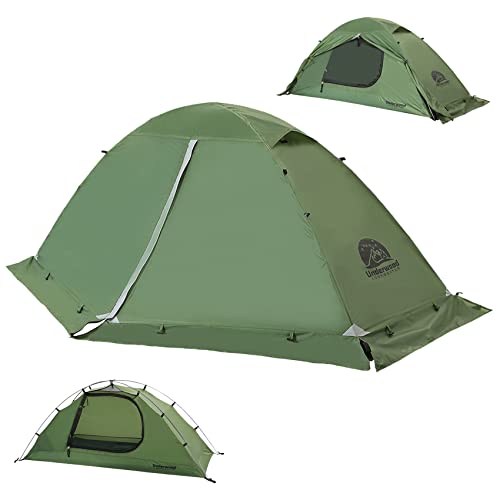
1 Person 4 Season Backpacking Tent, Lightweight Waterproof Winter Tent | One Person Tent, Cold Weather Tent, PU5000, Easy Setup, Windproof, Camping Hiking for Single Man by Underwood Aggregator
As an Amazon Associate we earn from qualifying purchases. Product prices and availability are accurate as of the date/time indicated.

Night Cat Backpacking Tent for One 1 to 2 Persons Lightweight Waterproof Camping Hiking Tent for Adults Kids Scouts Easy Setup Single Layer 2.2x1.2m
As an Amazon Associate we earn from qualifying purchases. Product prices and availability are accurate as of the date/time indicated.

BISINNA 4 Season Tent for Backpacking Lightweight Winter Tents 2 Person | Cold Weather Tents Waterproof Double Layer All Season Tent Aluminum Alloy Poles Easy Set Up for Camping, Hiking, Outdoor
As an Amazon Associate we earn from qualifying purchases. Product prices and availability are accurate as of the date/time indicated.
Prices shown are approximate and for reference only. Prices change often, so please check the current price on Amazon before you buy.
Top Tents for Winter Forest Camping Reviewed
MSR Access 2 Tent
It has a strong pole design, a full-coverage rainfly, and a good value for winter forest campers. It is a good choice if you want the best tent for winter forest camping with a proven MSR design, because it is one of the most trusted winter tents, it is 4-season, and it weighs only 5.1 pounds. The 30 square foot floor is enough for two sleepers and gear.
Hilleberg Nammatj 2 Tent
It has a very strong tunnel design, a large vestibule, and a good value for winter forest campers who want a premium tent. It is a good choice if you want a Hilleberg tent with a tunnel design for winter forest camping, because it is very strong in snow and wind, it has a large vestibule for gear, and it is made by a trusted brand. It is ideal for winter forest campers who want a premium tent.
Black Diamond Eldorado Tent
It has a strong single-wall design, a good floor area, and a good value for winter forest campers. It is a good choice if you want a Black Diamond tent with a single-wall design for winter forest camping, because it is strong, it is 31 square feet, and it pitches quickly in snow. It is a popular choice for winter forest campers who want a fast-pitching tent.
Mountain Hardwear Trango 2 Tent
It has a very strong geodesic design, a large floor area, and a good value for winter forest campers who camp in exposed wind. It is a good choice if you want a Mountain Hardwear tent with a geodesic design for winter forest camping, because it is very strong, it is 35 square feet, and it has a large vestibule. It is a good entry level option for winter campers who want maximum strength.
REI Co-op Arete ASL 2 Tent
It has a low price, a good floor area, and a good value for winter forest campers. It is a good choice if you want an REI tent with a low price for winter forest camping, because it is very affordable for a 4-season tent, it is 31 square feet, and it has a 43 inch peak height. It is ideal for winter forest campers who want a budget 4-season tent.
MSR Access 3 Tent
It has a large floor area, a good peak height, and a good value for winter forest campers who camp with three people or want extra space. It is a good choice if you want an MSR tent with extra space for winter forest camping, because it is 42 square feet, it is 44 inches high, and it weighs only 6.1 pounds. It is a good option for winter forest campers who want room for gear inside.
How to Choose a Campsite in a Winter Forest
Choosing a campsite in a winter forest matters as much as choosing a tent, because a sheltered site under trees can protect you from wind, while a site under a dead tree or a heavy snow-loaded branch can be dangerous. Choose a flat site, with its ground, so your tent is level, and clear snow, with your shovel or boots, so you have a flat platform. Avoid camping under dead trees, with their branches, so you are safe from falling limbs, and avoid camping in a low hollow, with its cold air, so you stay warmer.
Pack the snow, with your boots or snowshoes, before you pitch your tent, so the snow is firm and your tent does not sink. Pitch your tent, with its door, away from the wind, so snow does not blow inside, and stake your tent, with its snow stakes or deadman anchors, so it stays in place. Store your boots, with their liners, inside a vestibule, so they do not freeze solid, and keep your water, with its bottle, inside your sleeping bag at night, so it does not freeze. Never use a propane heater or gas stove inside a closed tent, ventilate your tent, use a CO detector, and never use charcoal inside a tent.
Winter Forest Camping Safety: Heaters, Stoves and Carbon Monoxide
Winter forest camping safety starts with heat, because many winter campers are tempted to heat a tent, but heating a tent is dangerous if done wrong. Never use a propane heater or gas stove inside a closed tent, because it can cause carbon monoxide poisoning and fire, and it can melt tent fabric. Never use charcoal inside a tent, because charcoal produces carbon monoxide and can cause poisoning even after the flame is out. If you cook, cook outside the tent or in a large, open vestibule with the door open, with good ventilation, so fumes escape.
Ventilate your tent, with its vents open, even on a cold night, so moist air from breathing escapes and condensation does not freeze inside. Use a CO detector, with its battery, in your tent if you use any fuel-burning device nearby, so you are warned if carbon monoxide builds up. Keep your stove, with its fuel, outside the inner tent, so a spill does not catch fabric on fire, and never sleep with a stove running. Dress in dry layers, with your sleeping bag rated for the expected low temperature, so you stay warm without a heater. Always follow the manufacturer guidance for your tent and stove.
Buying Guide: How to Choose the Best Tent for Winter Forest Camping
Start with your group size, your winter conditions, and your budget. If you camp with two people in a snowy forest, a tent such as the MSR Access 2 is a good choice, because it is 30 square feet and weighs 5.1 pounds. If you camp in strong wind, a tent such as the Mountain Hardwear Trango 2 is a good choice, because it has a geodesic design. If you want a low price 4-season tent, a tent such as the REI Co-op Arete ASL 2 is a good choice. If you want extra space for three people or for gear, a tent such as the MSR Access 3 is a good choice, because it is 42 square feet.
Next, check season rating, floor area, and peak height. A tent with a 4-season rating is better than a tent with a 3-season rating for winter forest camping, because it is built for snow load. A tent with a floor area of 30 square feet or more is a good choice for two people, because it gives you room for sleepers and gear. A tent with a peak height of 42 inches or more is better than a tent with a lower height, because it gives you room to sit up. A tent with a full-coverage rainfly is a good choice, because it protects the whole tent from snow.
Check weight, pole strength, and ventilation together. A tent with a weight under 7 pounds is better than a tent with a heavier weight, because it is easier to carry to a forest campsite. A tent with aluminium poles is a good choice, because it is strong and light. A tent with good ventilation is better than a tent without, because it reduces condensation in cold air. Check your pack, with its size, before buying, so you know the tent will fit, and check your sleeping pad, with its R-value, so you know you will stay warm on snow.
Check your budget, your use, and your future.
Finally, do not buy a tent for winter forest camping based only on price or capacity. A tent that is too weak will collapse under snow, even if it is cheap, while a tent with poor ventilation will collect condensation and freeze inside, even if it is expensive. A tent without a full rainfly will let snow blow inside, even if it has a large floor. Choose a tent that is strong, with a full rainfly, and with a price that fits your needs. Never use a propane heater or gas stove inside a closed tent, ventilate, use a CO detector, and never use charcoal inside a tent. Always check your tent specifications before buying.
How to Pitch a Tent in Snow in a Forest
To pitch a tent in snow in a forest, first pack the snow, with your boots, so it is firm, and clear a flat area, with your shovel, so your tent is level. Lay out your tent, with its floor, on the packed snow, so it does not sink, and assemble your poles, with their sections, so they are ready. Insert your poles, with their tips, into the tent, so it stands, and attach your rainfly, with its clips, so it covers the tent. Stake your tent, with snow stakes or buried stuff sacks filled with snow, so it stays in place, and open your vents, with their flaps, so air flows. When you are done, store your tent, with its bag, so it is dry for your next trip. Always follow the manufacturer guidance for use.
Frequently Asked Questions
What is the best tent for winter forest camping?
What is the best tent for winter forest camping depends on your group size and your budget. A tent with a season rating of 4-season, a capacity of 2 person, a floor area of 30 square feet, a peak height of 42 inches, a weight of 5.1 pounds, and a price under $600, such as the MSR Access 2 Tent at $550 to $600, is a good choice for most winter forest campers, because it is 4-season, is strong in snow, and is a proven MSR design. Choose a tent that is strong and has a full rainfly.
Can I use a 3-season tent for winter forest camping?
Can you use a 3-season tent for winter forest camping, you can use a 3-season tent for mild winter forest camping with no snow load, but a 4-season tent is better for snow and wind, because it has stronger poles and a full-coverage fly. A tent such as the MSR Access 2 is a good choice, because it is 4-season. Use a 4-season tent, with your winter forest camping, so it holds up under snow, and check the season rating, with its description, before you buy, so you know it is rated for winter.
Is it safe to use a heater in a winter tent?
Is it safe to use a heater in a winter tent, no, it is not safe to use a propane heater or gas stove inside a closed tent, because it can cause carbon monoxide poisoning and fire. Never use charcoal inside a tent, because it produces carbon monoxide. Ventilate your tent, with its vents open, and use a CO detector, with its battery, if you use any fuel-burning device nearby, so you are warned if carbon monoxide builds up. Stay warm with a sleeping bag rated for the expected low temperature and a sleeping pad with a high R-value.
How do I stop condensation in a winter tent?
How do you stop condensation in a winter tent, you stop condensation in a winter tent by ventilating your tent, with its vents open, so moist air from breathing escapes, and by keeping wet gear in the vestibule, so it does not add moisture inside. A tent such as the MSR Access 2 is a good choice, because it has good ventilation. Use ventilation, with your winter tent, even on a cold night, so condensation does not freeze inside, and check the vents, with their flaps, before you sleep, so you know they are open.
Related guides
- Best Premium Tent for Festival Camping in 2026: 7 Premium Tents That Offer Spacious Comfort, Easy Setup, and Reliable Performance for Festival Campers
- Best Family Tent With Screen Room in 2026: 6 Family Tents With a Screen Room, a Peak of at Least 72 Inches, and a Floor of at Least 80 Square Feet, for a Family, Without a Tent That Is Too Short, or Too Small, for a Family
- Best Tent for Wet Weather Camping in 2026: Full-Coverage Flys, Bathtub Floors, and Rain Ratings That Keep You Dry for Days
- Best Backpacking Tent Gift for Black Friday: 6 Best Backpacking Tent Gift for Black Friday Picks in 2026
More from Amazon
Programs that pair well with the guide above. Offers and eligibility are set by Amazon and may change.
Free shipping on eligible items, Prime Video and more. Eligible new members can start with a free trial.
Start a Prime free trialAudiobooks and podcasts to listen to on the go. Eligible new members can start with a free trial.
Try Audible freeAd-free music streaming. Eligible new subscribers can start with a free trial.
Try Music Unlimited freeA free business account with business pricing and bulk-buying tools for work, shop or home office.
Create a business accountAs an Amazon Associate we earn from qualifying purchases.

Write Your Review
No reviews yet. Be the first to share your experience!